News Past & Present
SCCF wrapped up the monitoring of its first-ever osprey nesting season with impressive results: 187 of 221 chicks fledged, an 84.6% success rate, and a productivity rate of 1.24 — well above the 0.8–1.15 range needed to sustain the population. Volunteers monitored 151 active nests across Sanibel, Captiva, Pine Island, and Fort Myers Beach as part of a program that watches over 200 osprey nests throughout the region to track population health and reproductive success, feeding data into the global OspreyWatch database. Because ospreys eat an almost entirely fish-based diet, their populations act as a sentinel for water quality — making this season’s strong numbers a good sign for Southwest Florida’s coastal ecosystems, not just its raptors. In January, The International Osprey Foundation officially transferred its mission to SCCF. Founded in 1981, TIOF spent decades building the region’s osprey program before entrusting it to SCCF. With its mission to protect and care for Southwest Florida’s coastal ecosystems, the osprey monitoring program complements SCCF’s broader conservation science work. Learn more about our osprey monitoring work>>> Adopt an osprey nest to support our efforts>>>
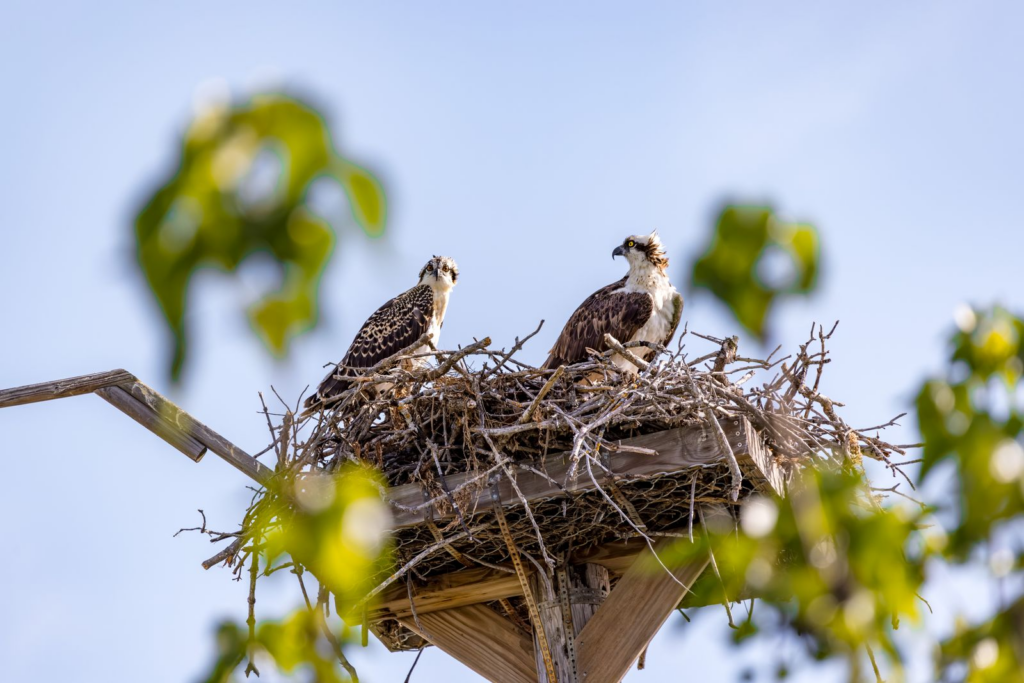
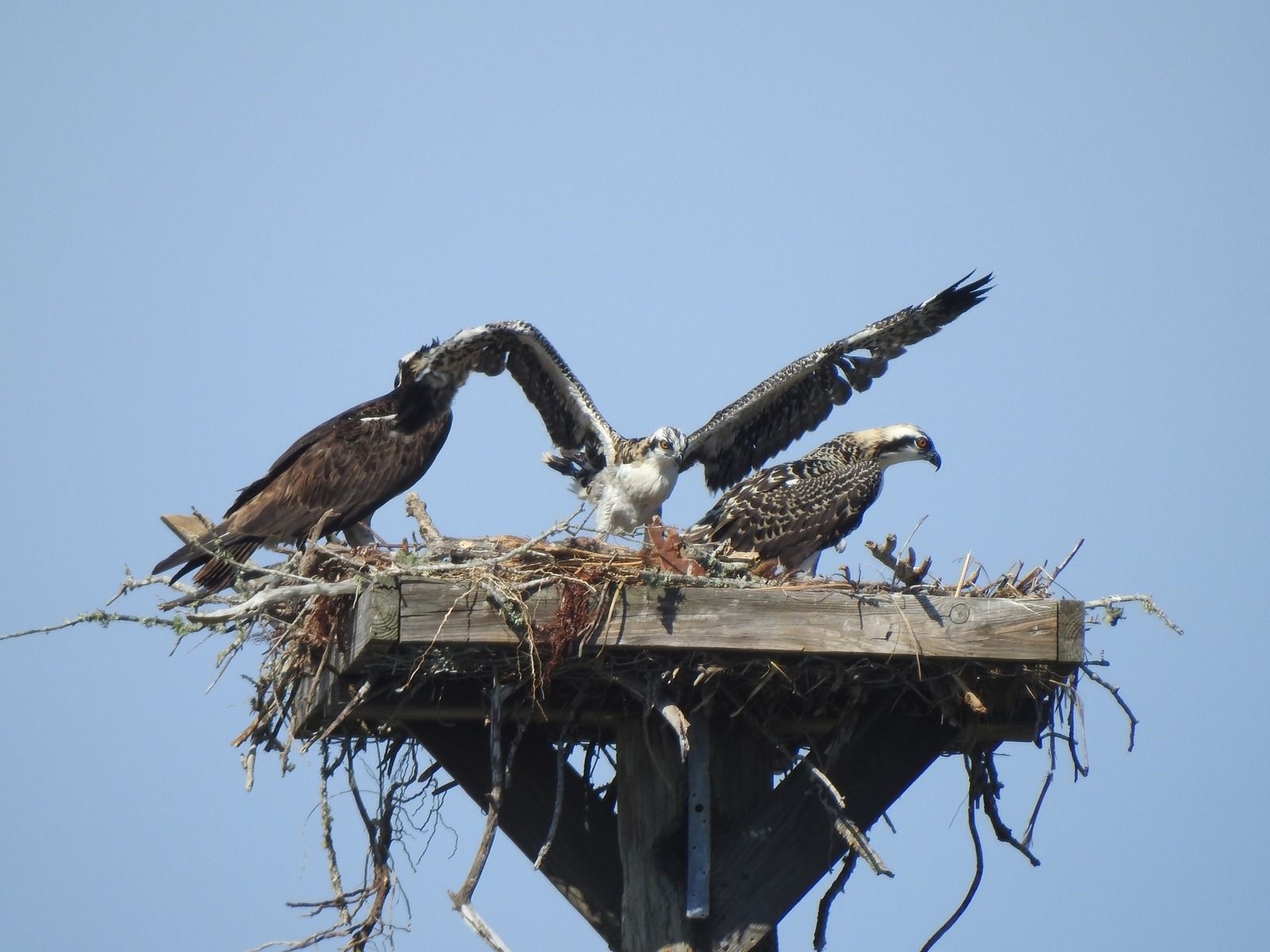
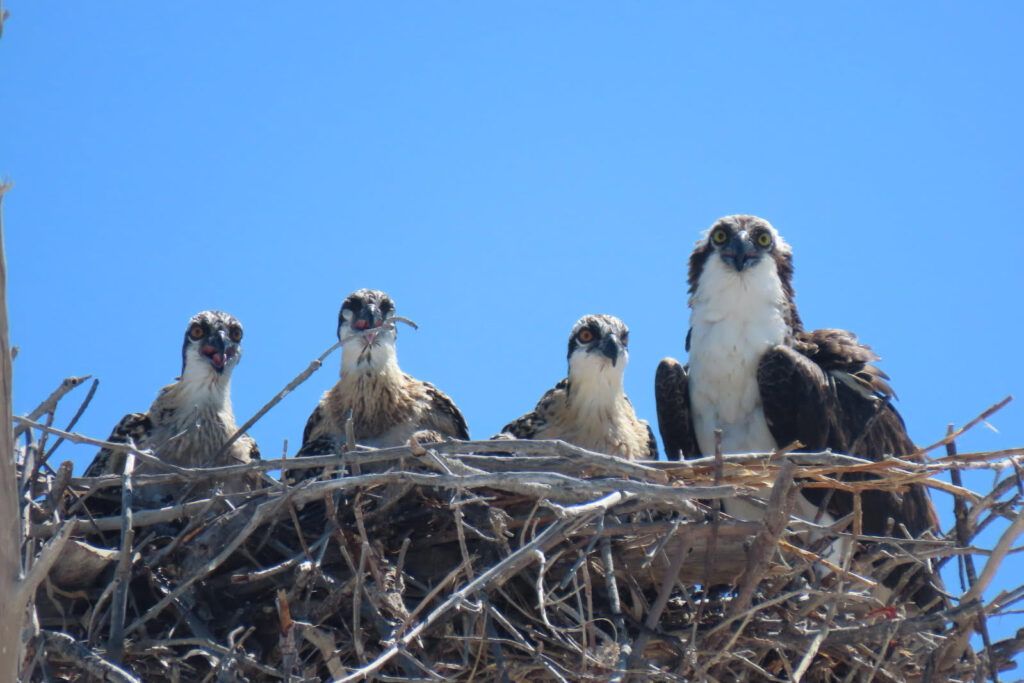
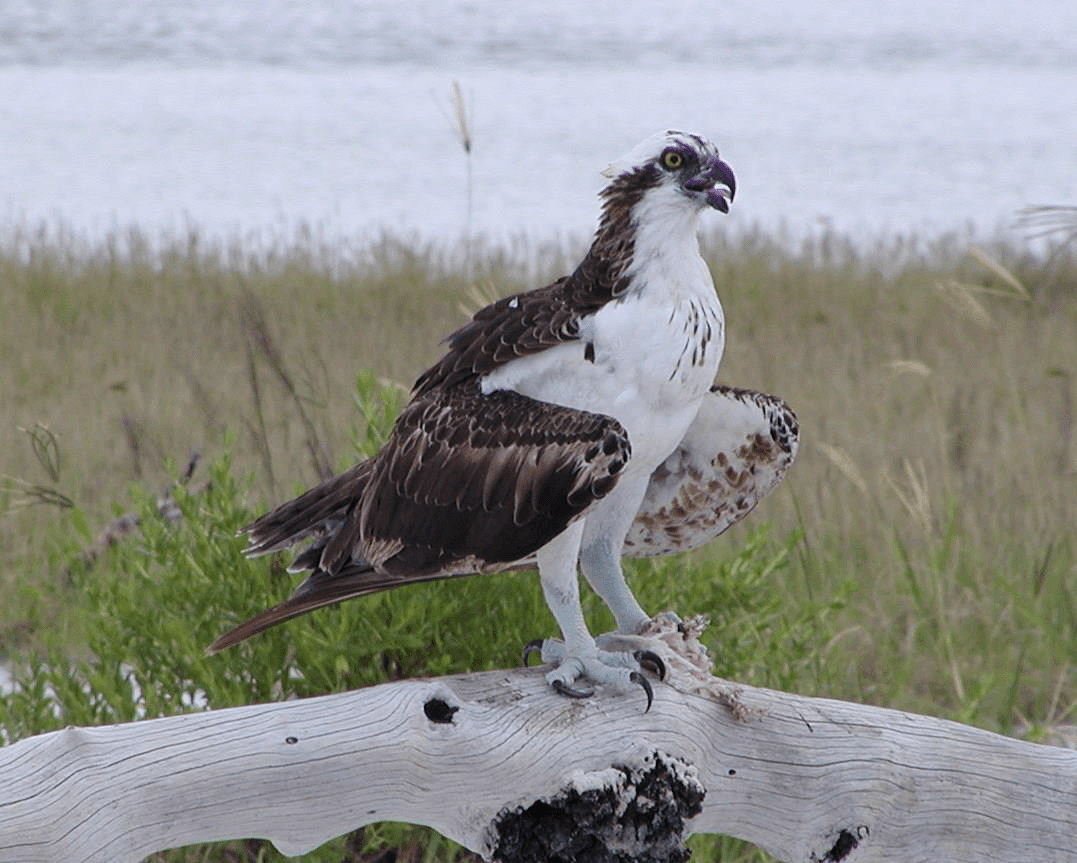
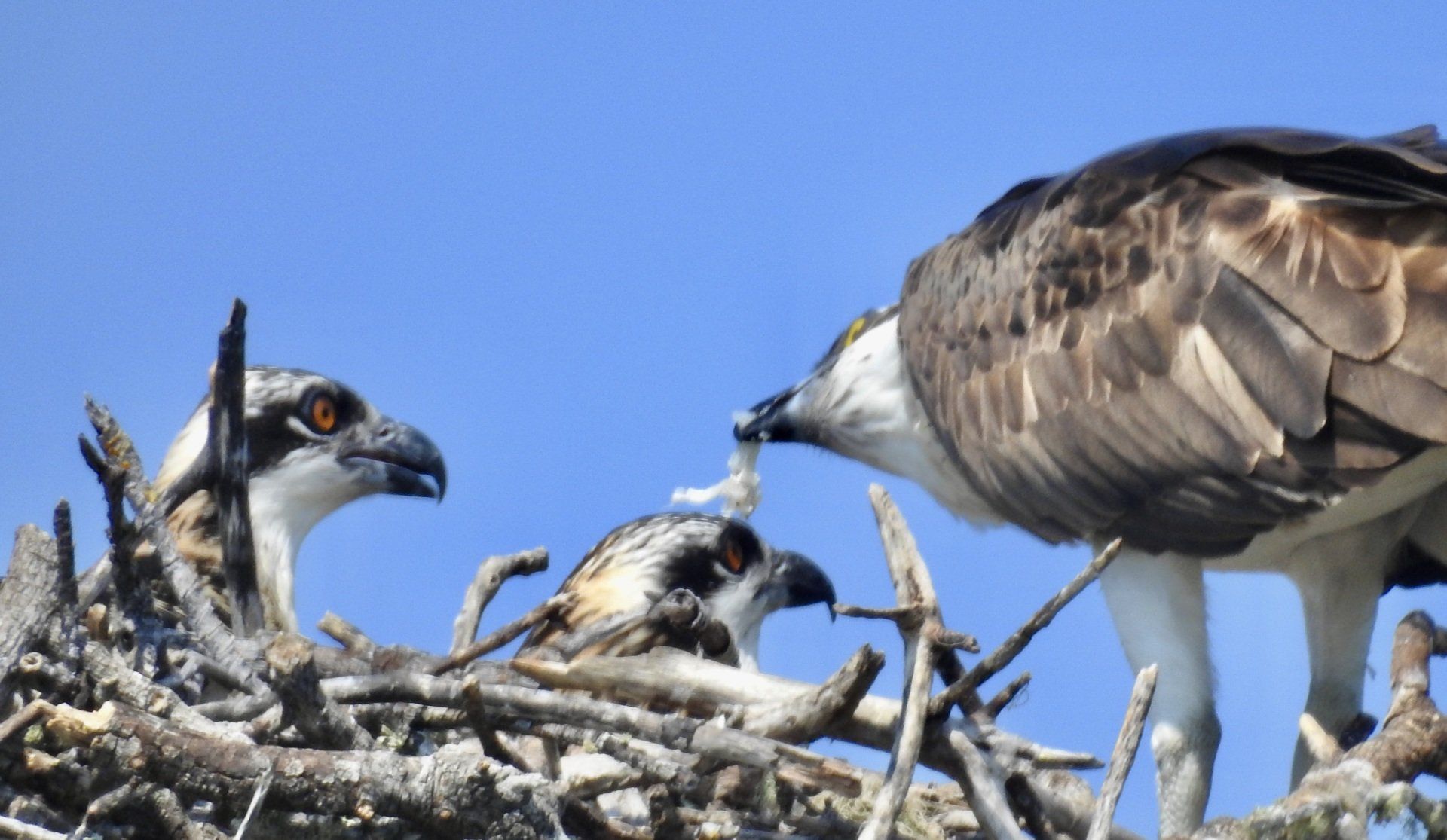
Fledgling on the left, compared to its parent on the right. Young ospreys (Pandion haliaetus) began to take flight last month, with at least 43 chicks fledged after months of efforts from osprey parents. Ospreys lay an average of 3 eggs that hatch after 5-6 weeks of incubation. Young chicks can be hard to see from below, so it may take a few weeks for chicks to be confirmed. SCCF volunteer monitors can rely on various clues to determine that a nest has hatched, such as observing the female sitting higher and displaying behaviors like feeding and shading.
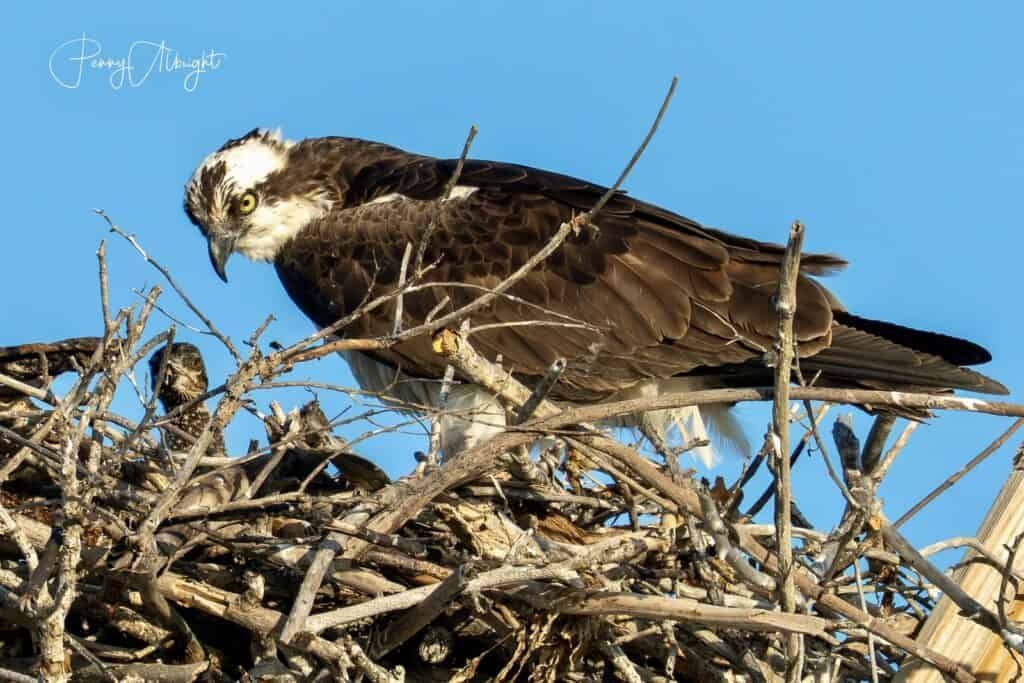
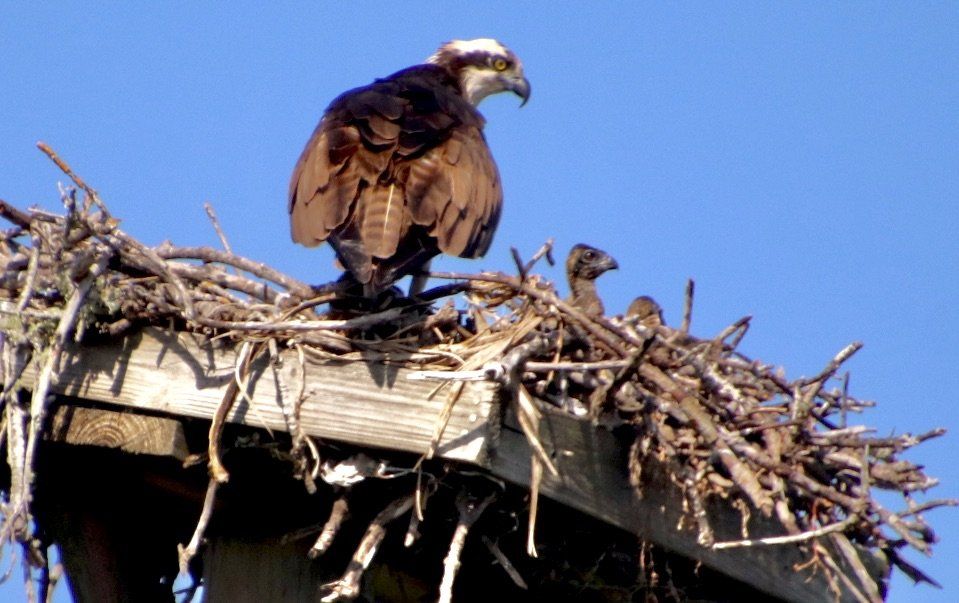
Since SCCF began monitoring ospreys (Pandion haliaetus) in January 2026, the nesting season is in full swing, with numerous nests incubating and even the first chicks confirmed. The photo above, provided by volunteer Penny Albright, is the first confirmed chick! With the help of 40 volunteers, SCCF took over The International Osprey Foundation’s mission and is now monitoring nests on Sanibel, Captiva, Fort Myers Beach, and Pine Island. “Volunteers will continue to monitor nests until the latest chicks fledge in July,” said SCCF Osprey Monitoring Coordinator Amanda Manrique. Both resident and migratory ospreys begin nesting in Florida as early as December, with migratory birds arriving from as far south as Argentina. Ospreys are raptors — predatory birds with sharp talons and a sharp, curved beak. “Though they are sometimes nicknamed the ‘fish hawk’ or ‘sea hawk,’ they actually belong in their own unique family, Pandionidae, of which they are the only species,” adds Manrique. “Their range is amazing — it reaches every continent besides Antarctica.” Ospreys are especially prevalent near shallow waters, as they are heavily dependent on fish for their diet. They are opportunistic nesters and have been known to build nests on trees, chimneys, utility poles, signs, and man-made platforms. “They prefer to nest in open areas to protect their nests from ground predators, often making the nests highly visible to humans, which is great for monitoring the population,” said Manrique. Volunteers have been trained and all slots are filled for this season, with plans to open up again for next year’s nesting season. Please watch or photograph osprey nests from a distance and report threats to sccfospreys@gmail.com. Learn more at sccf.org/osprey-monitoring
Since SCCF began monitoring ospreys (Pandion haliaetus) in January 2026, the nesting season is in full swing, with numerous nests incubating and even the first chicks confirmed. The photo above, provided by volunteer Penny Albright, is the first confirmed chick! With the help of 40 volunteers, SCCF took over The International Osprey Foundation’s mission and is now monitoring nests on Sanibel, Captiva, Fort Myers Beach, and Pine Island. “Volunteers will continue to monitor nests until the latest chicks fledge in July,” said SCCF Osprey Monitoring Coordinator Amanda Manrique. Both resident and migratory ospreys begin nesting in Florida as early as December, with migratory birds arriving from as far south as Argentina. Ospreys are raptors — predatory birds with sharp talons and a sharp, curved beak. “Though they are sometimes nicknamed the ‘fish hawk’ or ‘sea hawk,’ they actually belong in their own unique family, Pandionidae, of which they are the only species,” adds Manrique. “Their range is amazing — it reaches every continent besides Antarctica.” Ospreys are especially prevalent near shallow waters, as they are heavily dependent on fish for their diet. They are opportunistic nesters and have been known to build nests on trees, chimneys, utility poles, signs, and man-made platforms. “They prefer to nest in open areas to protect their nests from ground predators, often making the nests highly visible to humans, which is great for monitoring the population,” said Manrique. Volunteers have been trained and all slots are filled for this season, with plans to open up again for next year’s nesting season. Please watch or photograph osprey nests from a distance and report threats to sccfospreys@gmail.com. Learn more at sccf.org/osprey-monitoring
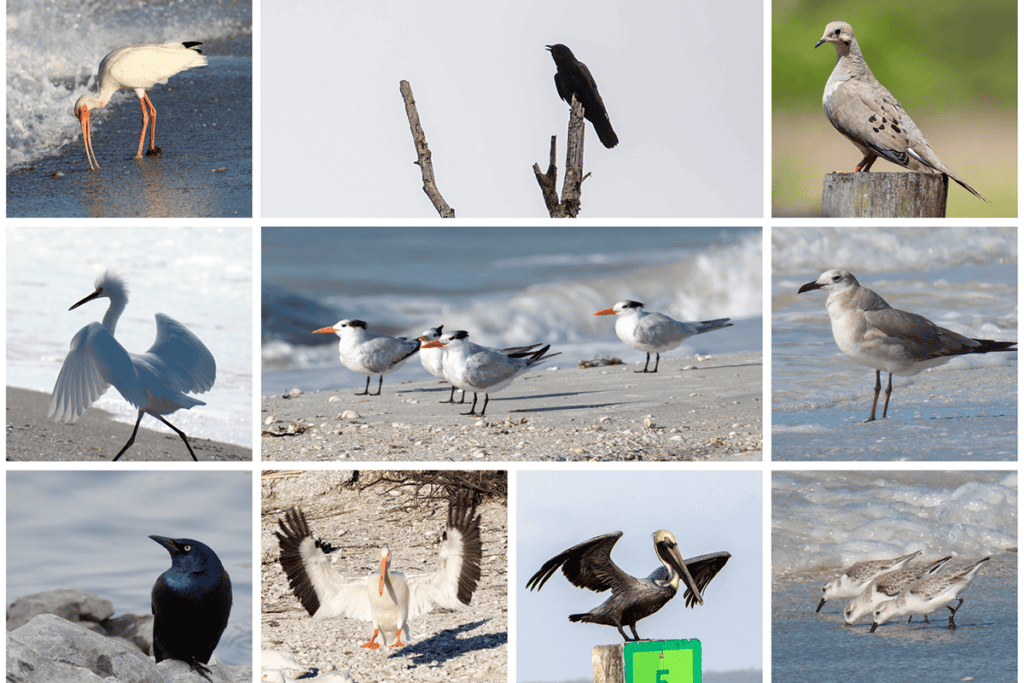
On Saturday, Dec. 20, SCCF staff and volunteers recorded 8,720 individual birds from 95 different species on Sanibel and Captiva as part of our islands’ contribution to the National Audubon Society’s 126th Christmas Bird Count, which took place between Dec. 14 and Jan. 5, 2026. The Christmas Bird Count (CBC) is one of the longest-running citizen science efforts in the world. SCCF and island conservation partners, including the Sanibel Captiva Audubon Society and the J.N. “Ding” Darling National Wildlife Refuge, have collaborated on the Sanibel-Captiva CBC for over 60 years. This year, 114 participants took part in the Sanibel-Captiva count, compared to 107 in 2024 and 95 in 2023.
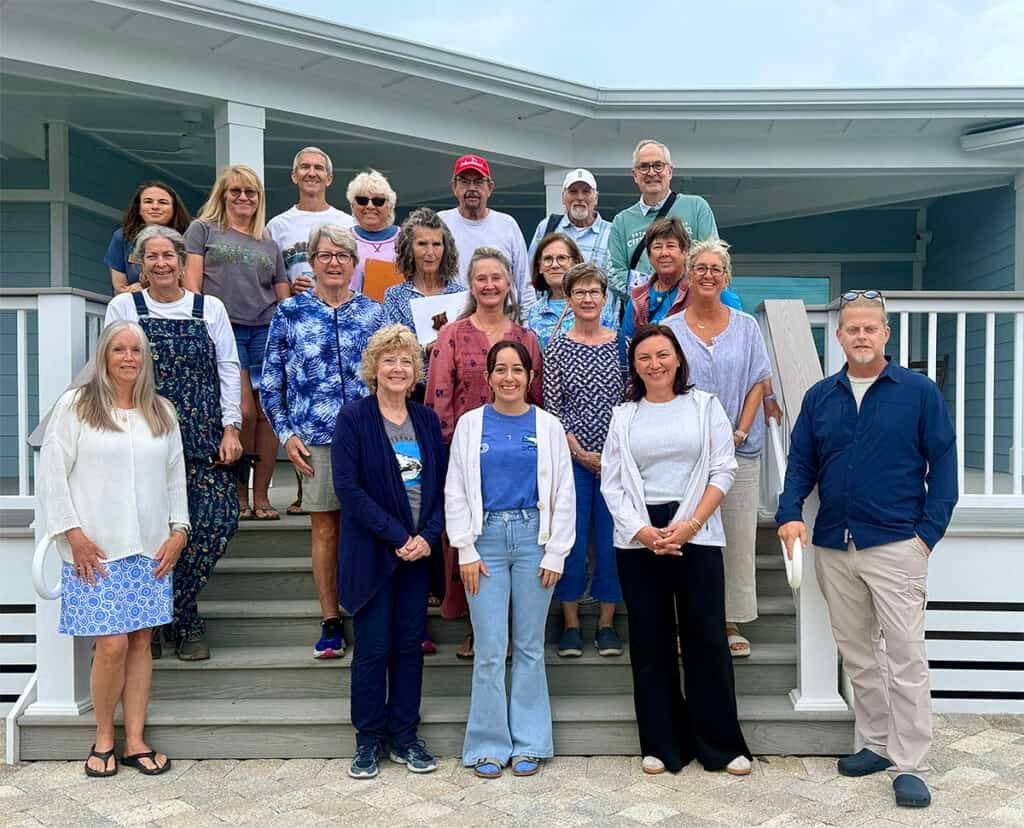
On Jan. 14, we held our first volunteer training for SCCF’s new osprey monitoring program following the transfer of The International Osprey Foundation (TIOF)’s mission to SCCF this month. Osprey nesting season in South Florida begins in late fall and lasts through mid to late spring. This year, new and existing TIOF/SCCF volunteers will be monitoring 197 osprey nests across Sanibel, Captiva, Fort Myers Beach, and Pine Island. “The status of these nests vary, some of them being new platforms, some being inactive in recent years, and some that were successful last season,” said SCCF Osprey Program Coordinator Amanda Manrique. “We also hope to expand our monitoring to North Captiva this season.” During the training, staff and seasoned TIOF volunteers covered the ins and outs of monitoring osprey nests, from recognizing the most subtle signs of nesting behavior and how to detect the presence of chicks, to differentiating adults and juveniles, to recording the most accurate data.
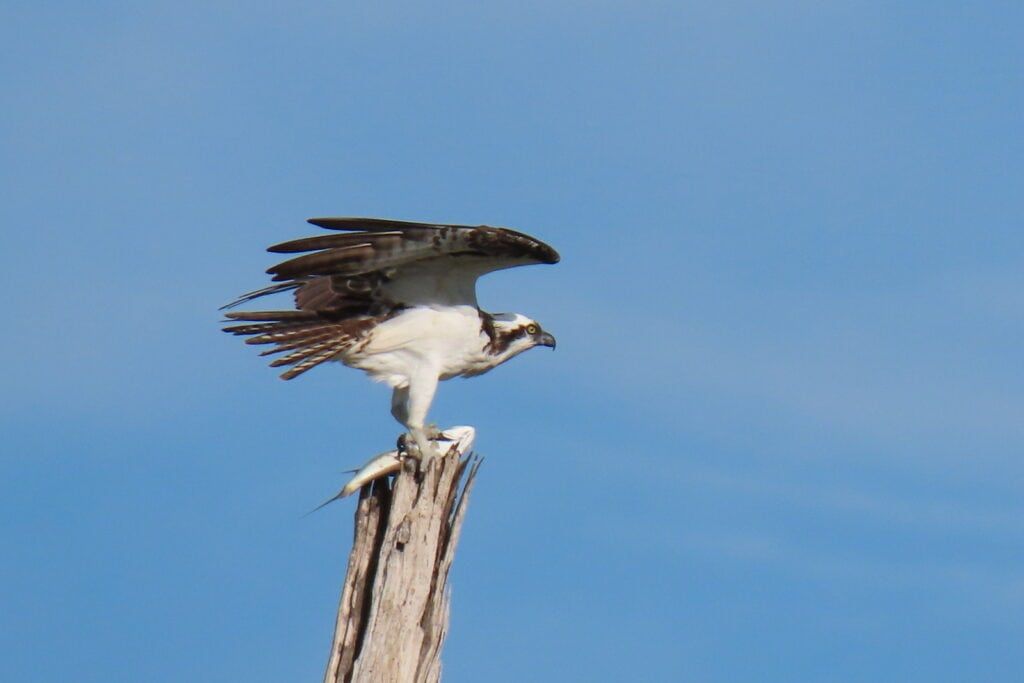
The International Osprey Foundation (TIOF) and the Sanibel-Captiva Conservation Foundation (SCCF) are proud to announce an exciting new chapter in their shared commitment to conservation: the official transfer of The International Osprey Foundation’s mission to the Sanibel-Captiva Conservation Foundation. This milestone brings together two respected organizations united by common values, complementary strengths, and a deep dedication to protecting wildlife and inspiring environmental stewardship. Effective Jan. 1, the mission and enduring legacy of The International Osprey Foundation will live on and grow under the umbrella of SCCF. Through this transfer, SCCF will proudly carry forward TIOF’s internationally recognized leadership in osprey nest monitoring, nesting habitat restoration, education, and conservation — ensuring that this important work not only continues, but thrives as part of SCCF’s broader conservation, science, and education efforts.
SCCF Takes on Mission of The International Osprey Foundation The International Osprey Foundation (TIOF) and the Sanibel-Captiva Conservation Foundation (SCCF) are proud to announce an exciting new chapter in their shared commitment to conservation: the official transfer of TIOF’s mission to SCCF. This milestone brings together two respected organizations united by common values, complementary strengths, and a deep dedication to protecting wildlife and inspiring environmental stewardship. Effective Jan. 1, the mission and enduring legacy of The International Osprey Foundation will live on and grow under the umbrella of SCCF. Through this transfer, SCCF will proudly carry forward TIOF’s internationally recognized leadership in osprey nest monitoring, education, nesting habitat restoration, and conservation — ensuring that this important work not only continues, but thrives as part of SCCF’s broader conservation, science, and education efforts. “This marks a moment of celebration and optimism for the future of osprey conservation,” said Kathryn Brintnall, President of The International Osprey Foundation. “By joining SCCF, we are securing a strong and sustainable home for TIOF’s mission. Together, we can expand our reach, deepen our impact, and ensure that the work so many have supported over the years continues to protect ospreys for generations to come.” As part of this shift, SCCF will assume stewardship of TIOF’s ongoing initiatives, long-standing data sets, and educational resources, ensuring continuity, accessibility, and new opportunities for collaboration. As TIOF relinquishes its official nonprofit status, its supporters can be confident that their passion and commitment will continue to be reflected in SCCF’s expanded programming and shared vision for conservation. “SCCF is excited to welcome The International Osprey Foundation’s mission, programs, and community into our organization,” said SCCF CEO James Evans. “Ospreys are powerful symbols of environmental health, and TIOF’s work beautifully complements SCCF’s integrated approach to conservation science, policy, and education. This partnership strengthens our ability to protect wildlife, advance science, and connect people to the natural world.” Read Press Release Here
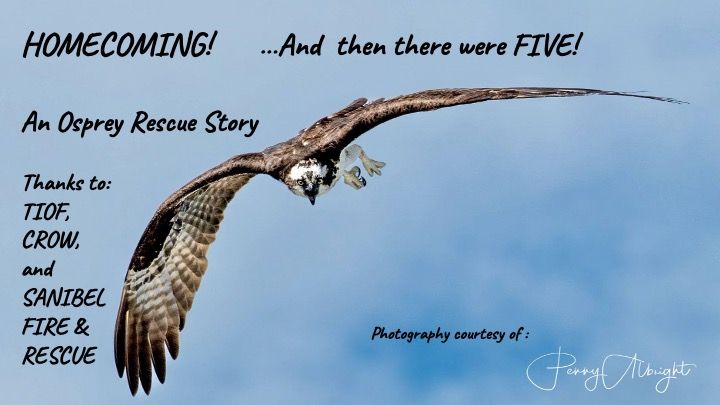
Click the button below to view and download the full story.
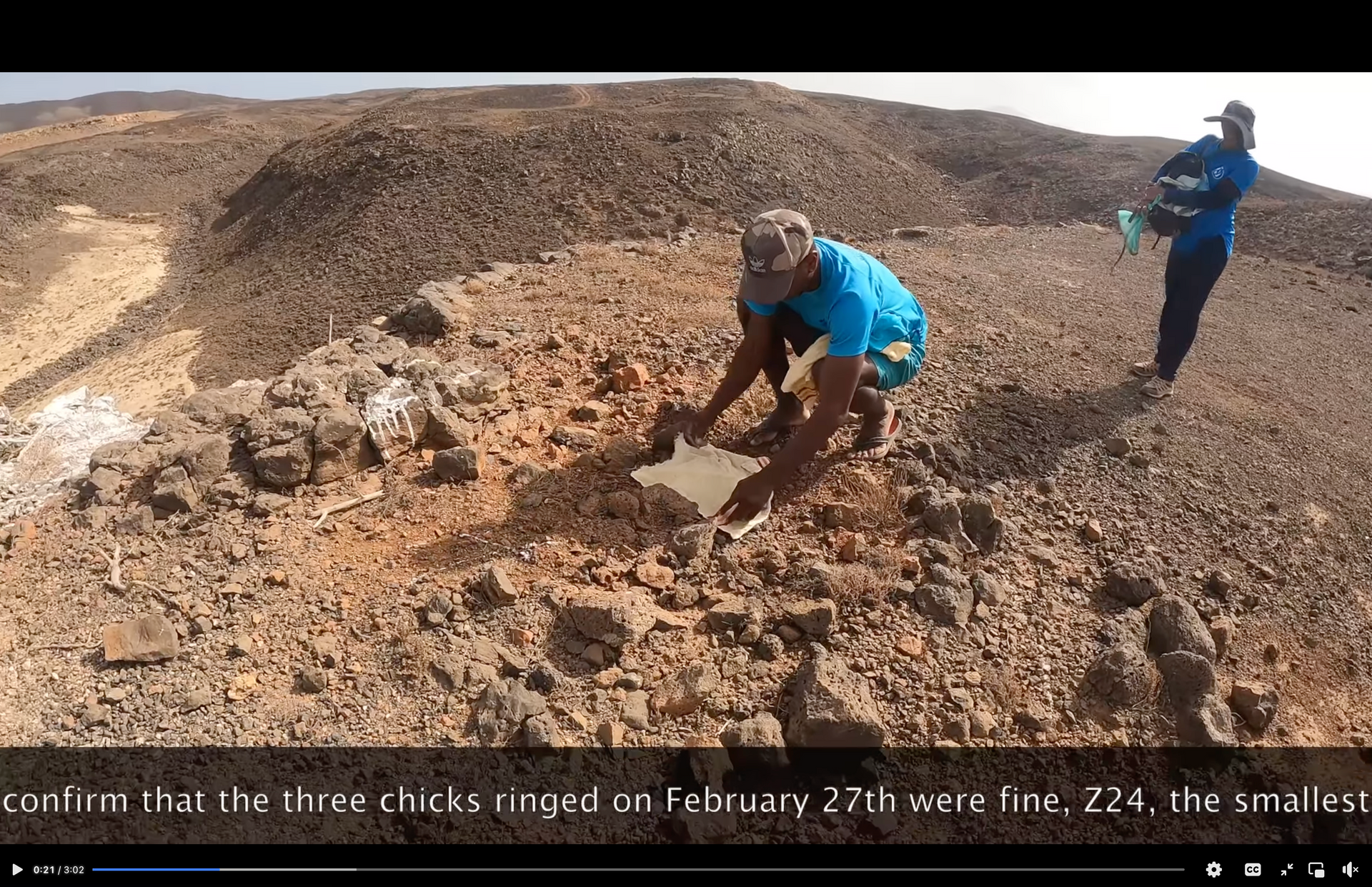
Pedro Lopez, a previous TIOF grant recipient, has provided an excellent video from the environmental organization BIOS CV depicting the cross-fostering of a juvenile osprey in Boa Vista in the Cape Verde Islands. Z24 was severely injured due to sibling aggression by its older and larger nestmates. Brood reduction, mediated by sibling aggression, is quite common in the Boa Vista osprey population. To aid in his survival, the near-fledging Z24, at 7 weeks old, was placed into another nest for a cross-fostering attempt. Typically, cross-fostering is done into nests with other nestlings but this was the first time that a near fledgling osprey had been transferred to a nest without nestlings. Watch the video of the successful cross-fostering of Z24!
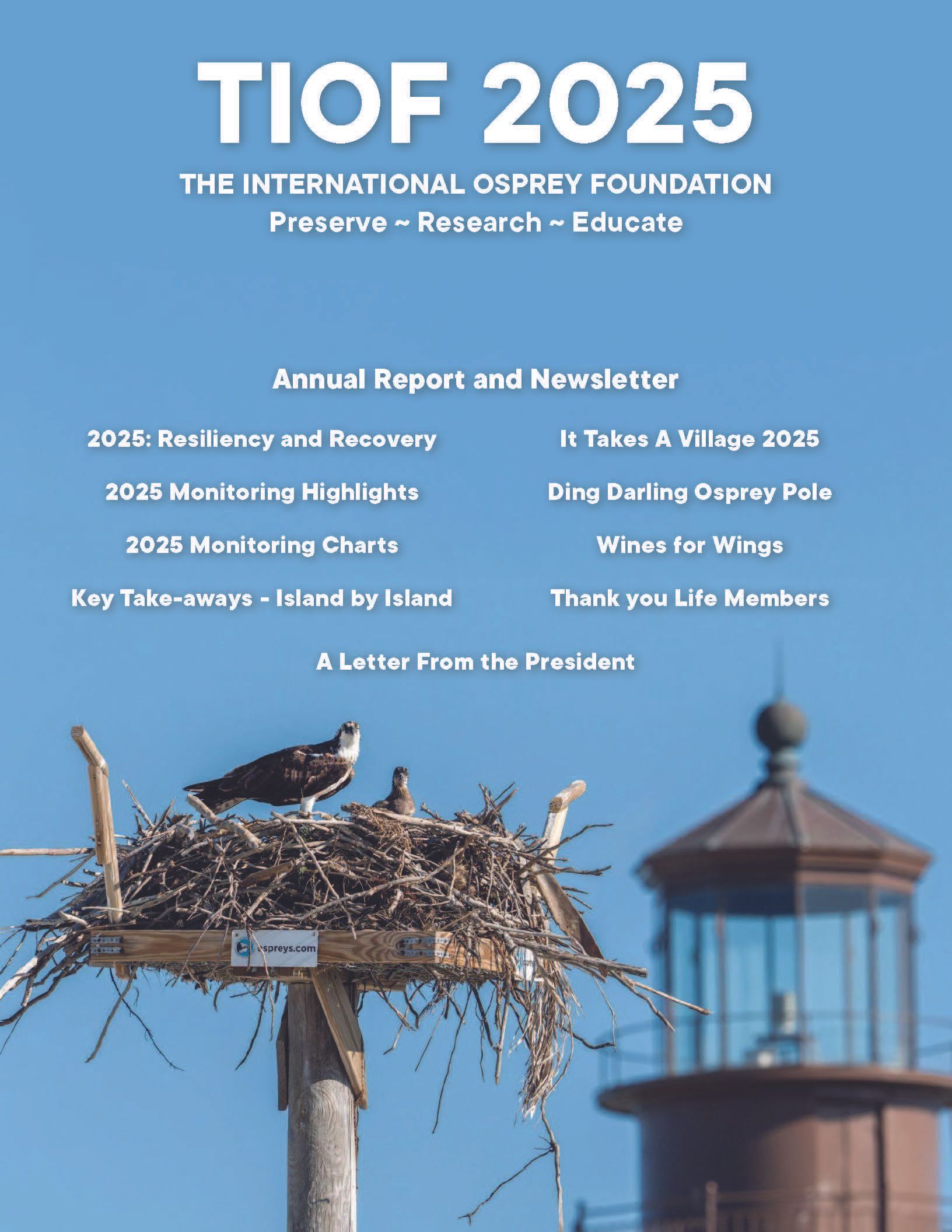
View the 2025 International Osprey Foundation newsletter by clicking the download button below.
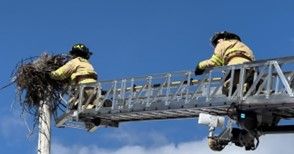
The calls started coming to TIOF fast and furious. The issue, a broken nesting pole by the Sanibel Lighthouse that was home to a very popular and productive pair of ospreys. “The birds are back!” While this was great news, the situation wasn’t. The pole was in no shape to support a huge osprey nest. But nobody told the birds that. They started building right away. Beachgoers and Sanibel residents let us know of their concerns. TIOF, along with Ned Bruha, THE WILDLIFE WHISPERER, (our main installer) and Sanibel Fire and Rescue Assistant Chief Chris Jackson started planning the installation. Firefighters Ron Petito and Arian Moore under the direction of Chief Mike Martin, got straight to work removing the nesting materials. Ned wrangled the new platform into place and added back the nesting materials while the birds kept an eye on things from the air. As the sun descended into the western sky, our ospreys re-established residency on the new platform. HOME-SWEET-HOME!
Did you know there is an International Osprey Foundation headquartered on Sanibel Island in Florida? Today, we speak with Kathryn Brintnall, president of the foundation, about ongoing efforts to protect the Osprey. We also discuss the effects of Hurricane Ian on Osprey populations. Go to the International Osprey Foundation at www.ospreys.com; go to the Sanibel-Captiva Conservation Foundation (SCCF) at https://sccf.org/; go to the J.N. Ding Darling National Refuge website at https://www.fws.gov/refuge/jn-ding-darling; go to the Clinic For The Rehabilitation of Wildlife (C.R.O.W.) website at https://crowclinic.org. Join Catherine Greenleaf, a certified wildlife rehabilitator with 20 years of experience rescuing and rehabilitating injured wildlife, for twice-monthly discussions about restoring native habitat and helping the birds in your backyard. Access the BIRD HUGGER Newsletter here: www.birdhuggerpodcast.com. Send your questions about birds and native gardening to birdhuggerpodcast@gmail.com. (PG-13) St. Dymphna Press, LLC.
View / Print PDF
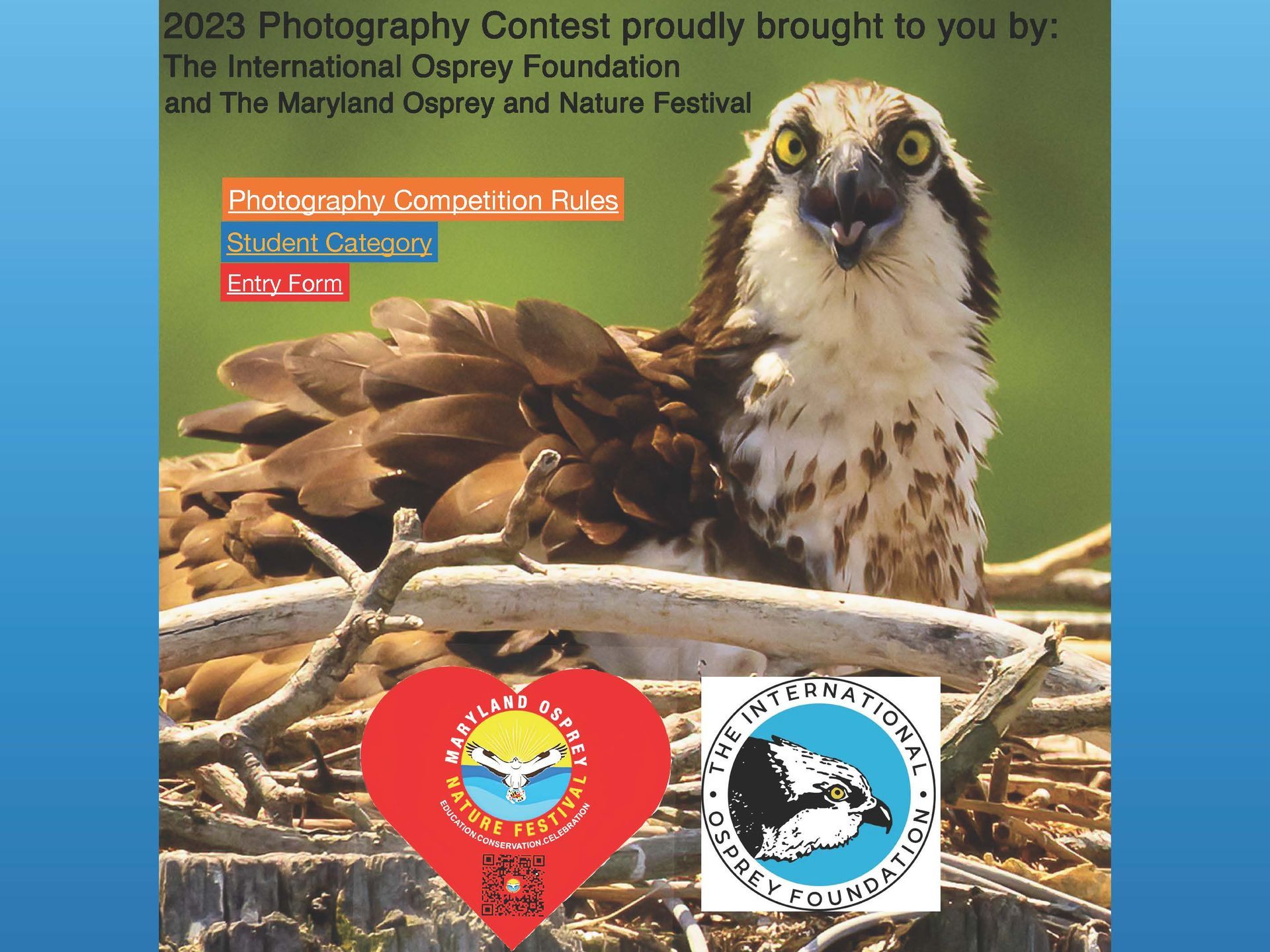
For more information view / download the contest PDF and click on the links for details and to enter.
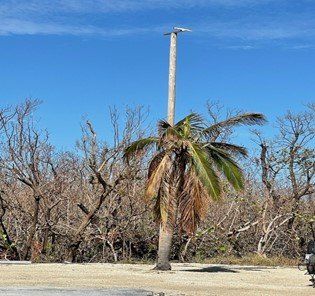
The arrival of Hurricane Ian on our shores changed life as we know it on our islands for the foreseeable future. No one who has watched the news coverage of this event on TV, driven through our streets lined with debris or tried to walk the shores of our island communities will ever be the same after this. Unfortunately, this storm did not just happen to us. The wildlife displacement and environmental destruction of their habitats has been monumental. This has been especially true for Ospreys, our neighbors who nest on our highest trees, snags and nesting platforms. Southwest Florida, especially the island communities are some of the most significant osprey nesting areas in the western hemisphere. Florida native ospreys as well as a large migrating population of these fish-eating raptors make their homes on our islands each spring. Ospreys come back to the same nests every year. The birds are starting to return, but many will find no place to come home to. The International Osprey Foundation, whose monitors record nesting data for over 150+ nests in our local area, is concerned that most Osprey homes have been destroyed and that the birds will now be nesting anywhere they can, returning to inappropriate spots atop power lines and chimney tops and possibly increasing human/osprey conflict at an already stressful time for everyone. On behalf of the ospreys, for whom The International Osprey Foundation (TIOF) is their voice, we would like to ask everyone within the reach of this publication to let us know about the condition of osprey nests near you. TIOF needs to have information from the public about nesting sites, platforms and tree nests, in your neighborhoods as soon as possible, especially those that have been successful in the past. TIOF wants to know the exact location (street address or intersection) or GPS coordinates (obtainable with cell phone map apps). A description of the damage and a picture if possible, would be great!
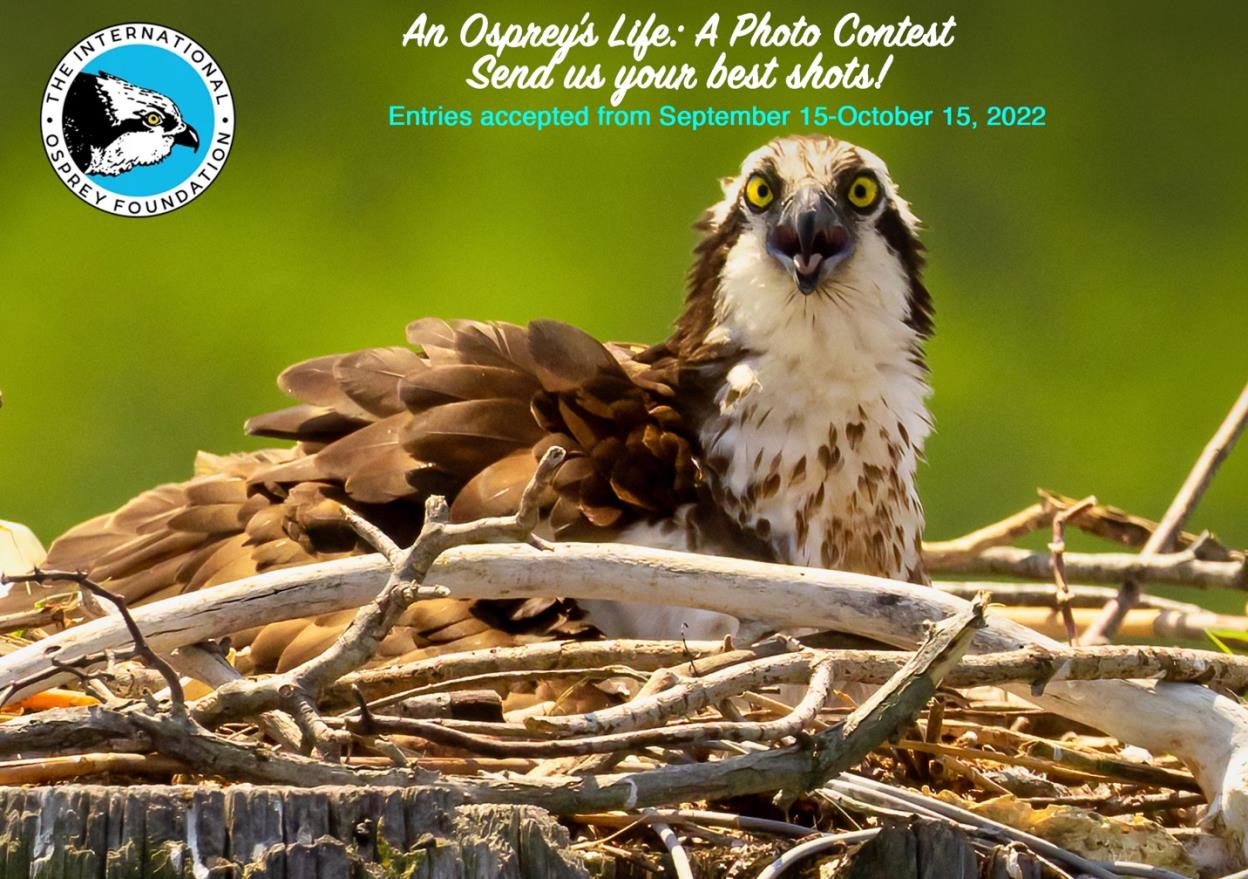
The International Osprey Foundation’s first Photo Contest! Contest Theme: An Osprey’s Life! Give us your best shots!
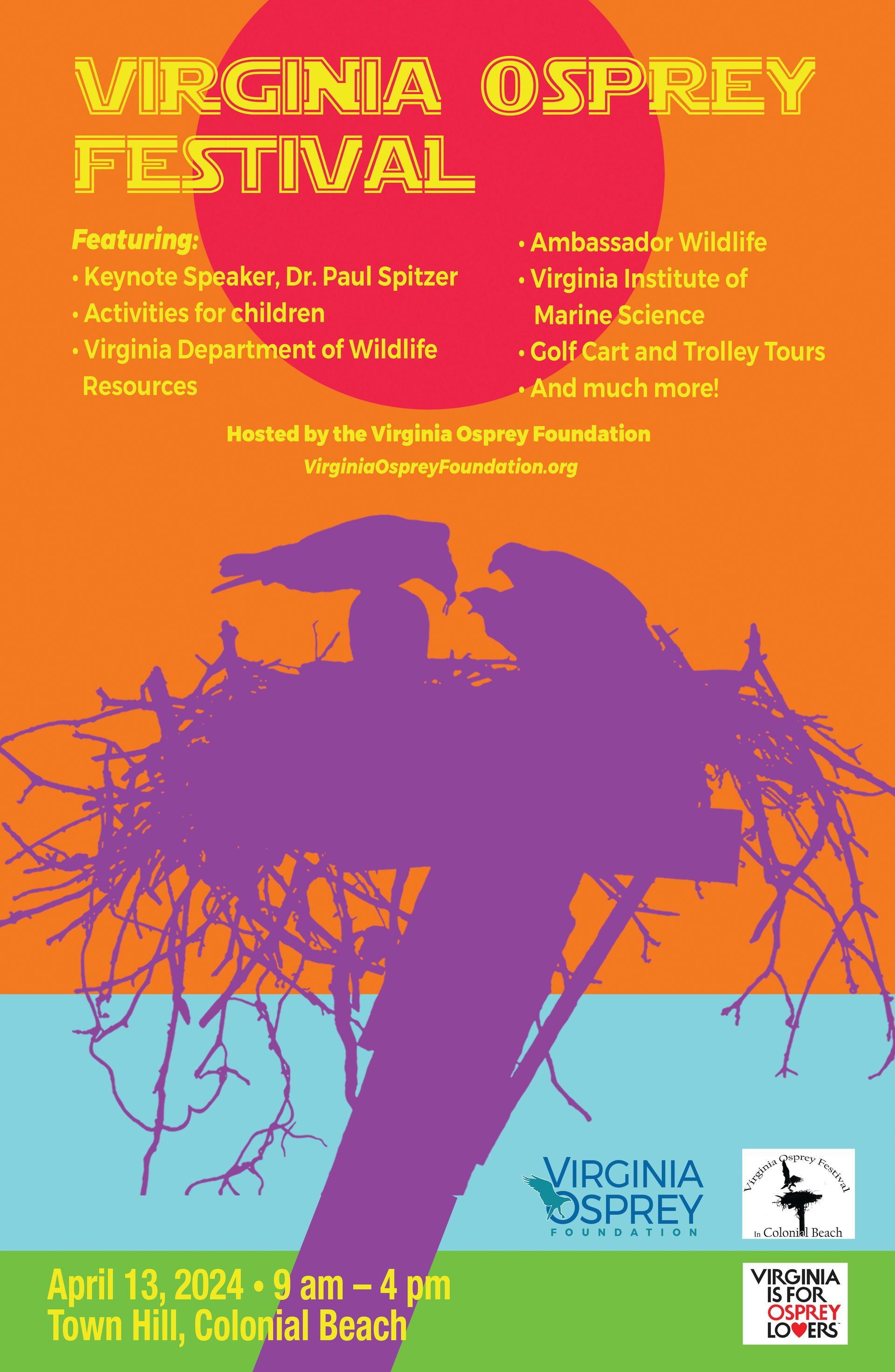
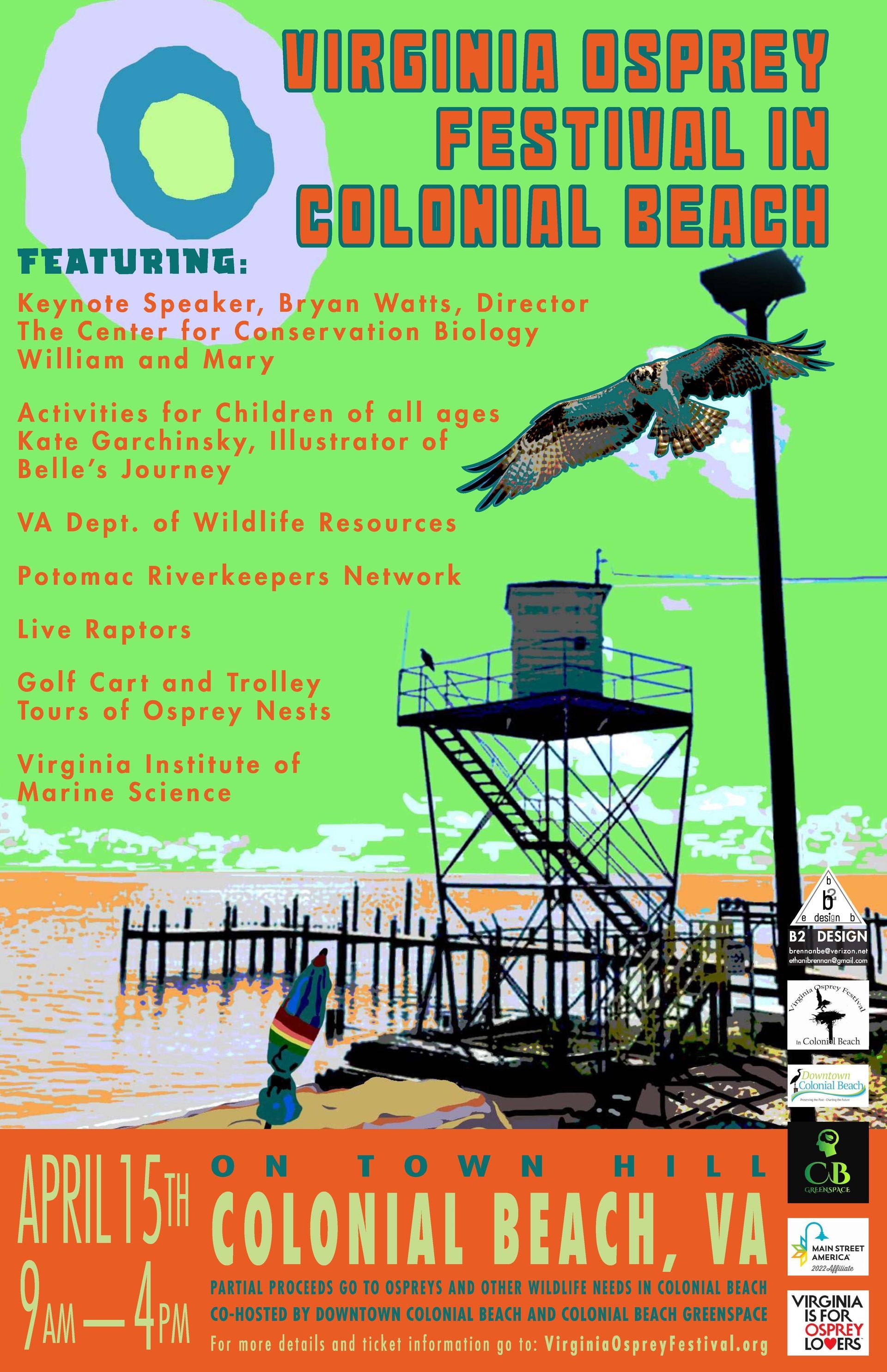
After a two year in-person hiatus due to COVID-19 restrictions and precautions, Colonial Beach recently held its annual Osprey Festival. Mayor Robin Schick welcomed the enthusiastic crowd with a sincere and proud proclamation designating the osprey as the official bird of Colonial Beach. Mayor Schick also emphasized gratitude and collaboration as key to the festival’s success. “What Colonial Beach, along with Joanie and her team have done, is remarkable” stated Kathryn Brintnall, president of The International Osprey Foundation who traveled from Sanibel Island, Florida, to join in the festivities. “Putting on a successful festival of this magnitude is no easy task, hats off to Joanie (and her husband, Barry), the other co-chairs, Joyce Reimherr, Sally Adams and the many volunteers for a job well done” added Brintnall. Specifically, Mayor Schick and Brintnall were referring to Joanie Millward, volunteer co-chair of the event. “I can emphatically say that everyone genuinely had a great time,” said Millward. “It is because we have a strong volunteer base, great vendors and an impressive lineup of presenters. It’s a strong recipe. And we cannot wait for 2023,” concluded a giddy Millward. Dr. Alan Poole delivered the keynote presentation via Zoom. With an overflow capacity, the presentation was also streamed live at the local brewery with a sizeable crowd. A renowned author and leading osprey researcher at Cornell University, Poole gave an inspiring, motivational and informative presentation. He emphasized that the Chesapeake Bay region, to include Colonial Beach, supports the largest osprey breeding population in the world. While the widespread use of toxic pesticides pushed populations of the fish-eating raptor to an estimated low of 1,450 breeding pairs in the early 1970s, a 1972 ban on the pesticide DDT helped populations recover. By the mid-1990s, an estimated 3,500 breeding pairs were found on the bay and its tidal tributaries. Estimates from the Center for Conservation Biology place the bay’s current osprey population at 8,000 to 10,000 breeding pairs, with the world population at fewer than 100,000 birds. Similar population decline and recovery stories exist for bald eagles, brown pelicans and peregrine falcons. The amazing rebound of ospreys has exceeded the availability of natural nesting sites. Human-made nesting structures are rarely unoccupied, and ospreys are now nesting on cell towers and lighting structures. This can create conflicts with human values and needs. Poole urged conservation and co-existence awareness. Given this year’s success, festival goers are already looking forward to next year. “Sign me up, I will definitely be back,” said a happy Sharron and Bobby Shifflett. And who can blame them? Source: https://fredericksburg.com/lifestyles/announcements/osprey-enthusiasts-migrate-to-historic-colonial-beach-for-annual-festival/article_530d4f95-563a-52b6-ad21-a7d8bb2bb369.html Author: Sal Icaza
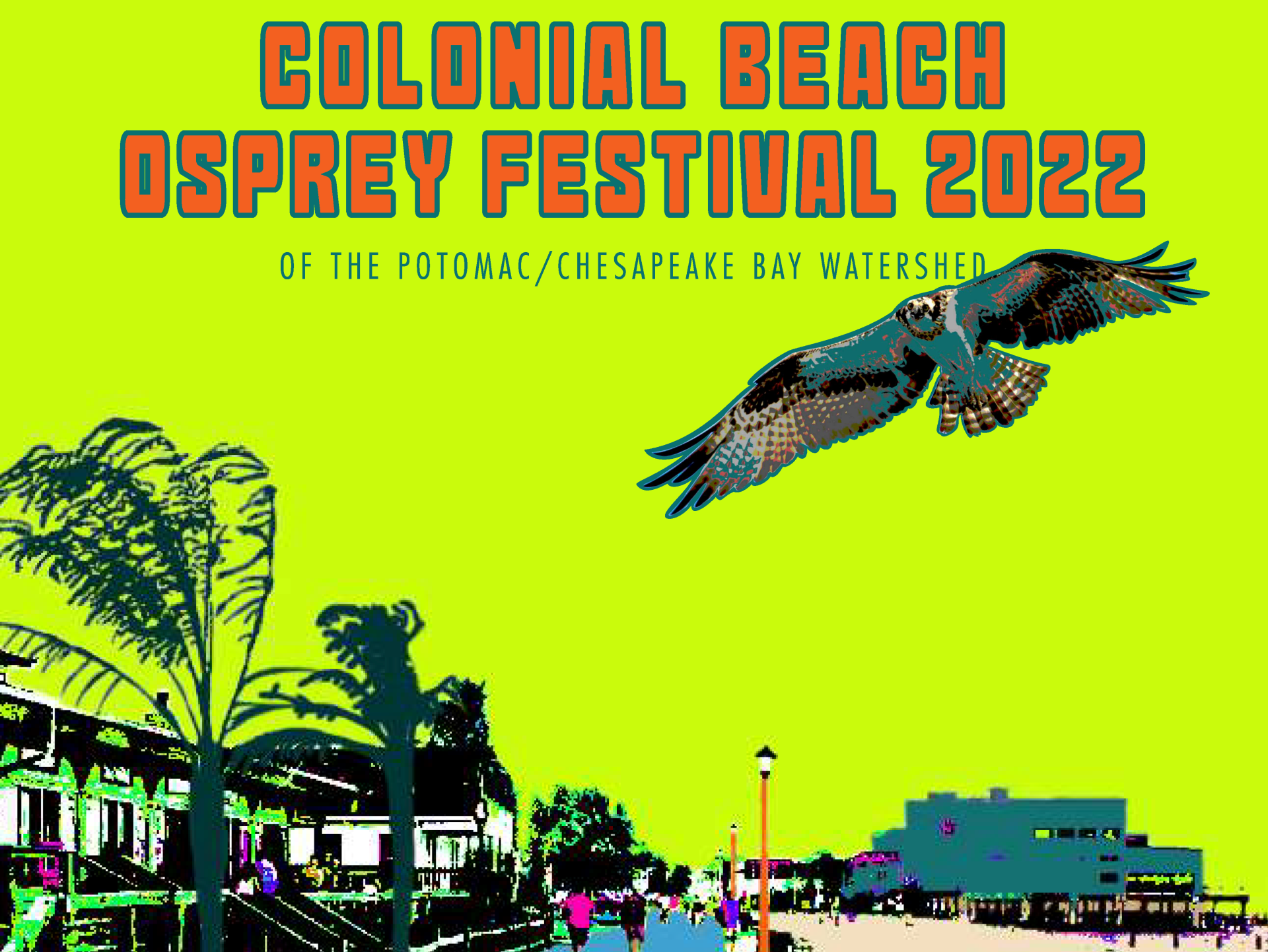
The Colonial Beach Osprey Festival 2022 in Colonial Beach, VA on April 9th.
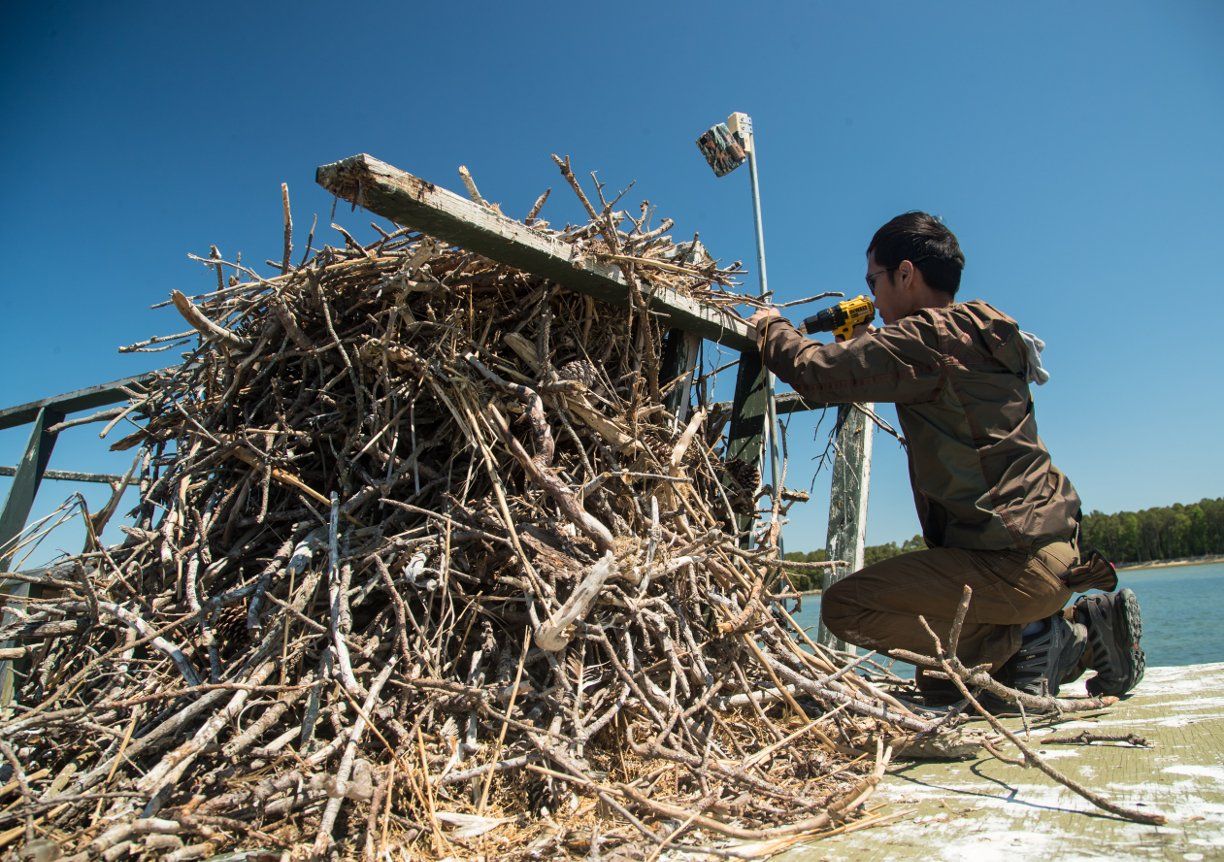
The International Osprey Foundation (TIOF) invites you to attend this exciting presentation which will anchor its annual meeting on Monday, March 7 at 6:30 pm at The Community House. Presenting will be, recent TIOF Research Grant recipient, Michael Academia. Michael’s research brings him into close contact with nesting Ospreys, so he has a bird’s eye view into their nest life including the distinct roles for female and male ospreys, feeding behavior, chick growth and sibling hierarchy. A graduate student at The Center for Conservation Biology at William and Mary College in Williamsburg, Virginia, Academia has combined his passion for these magnificent raptors and his background in fisheries science to study the relationship between food supply and osprey nesting success. While his research focuses on ospreys in the Chesapeake Bay as biomonitors of fisheries and aquatic health, there is applicability to the Southwest Florida osprey population, which is also vulnerable to various environmental challenges and who serve as sentinel species for the health of our local waters. The Chesapeake Bay, which supports the largest osprey breeding population in the world, is the area of focus for Academia’s research. The osprey in this region are dependent on the nutrient-dense Atlantic menhaden fish. Commercial fishing in the Bay has reduced the menhaden fish population, impacting osprey provisioning rates and reproductive success. Michael’s research provides insight into how osprey behavior is altered by low fish availability and whether providing menhaden directly to the osprey in their nests can reverse food stress. He studies how the addition of fish into osprey nests impacts the ability of chicks to grow and take their first flight, which is the ultimate success story for ospreys. TIOF is fortunate to be able to share Michael Academia’s research with the osprey lovers of “the islands” and surrounding communities. Save the date and bring a friend! There is no charge to attend. Information on how to become a TIOF member and/or volunteer will be available at the meeting.
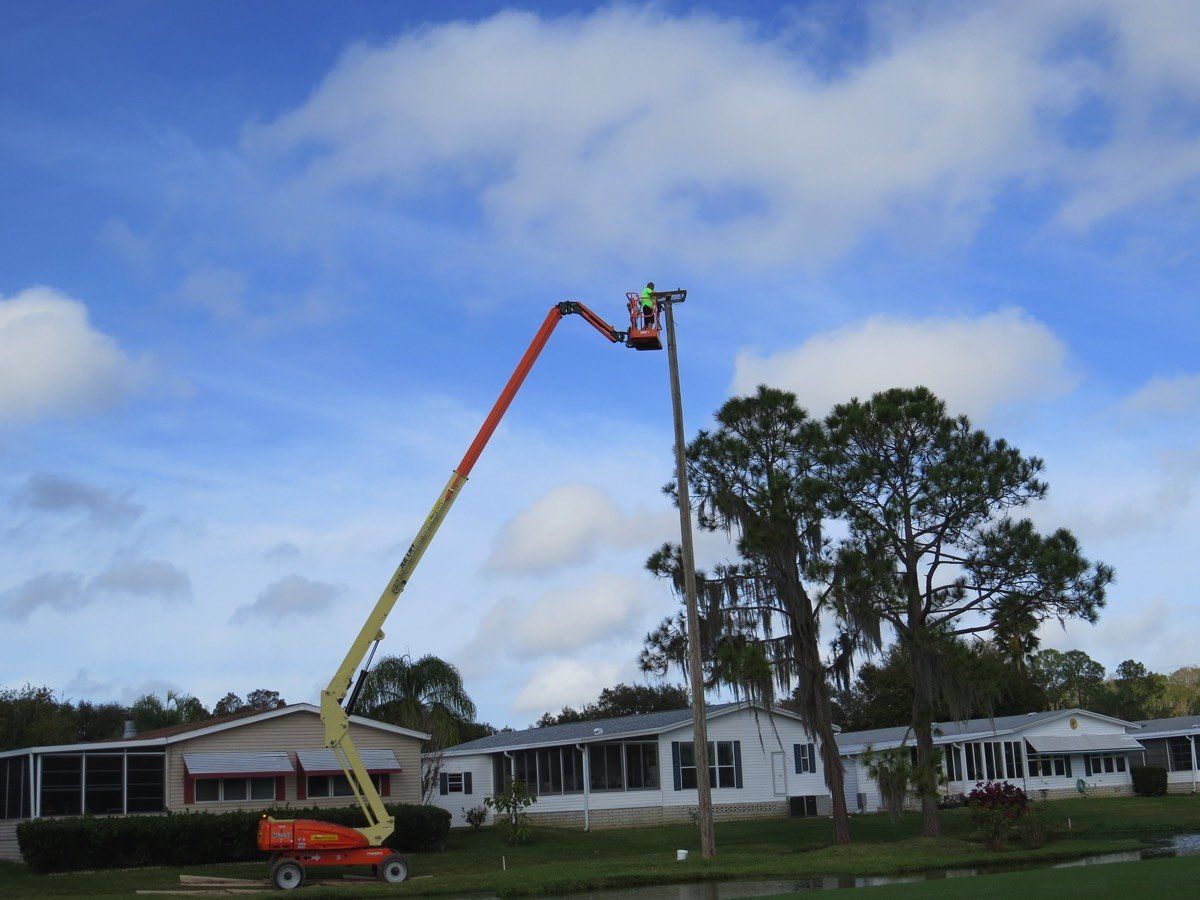
"Ma'am, I am sending pictures of the nesting box installation that took place today. Ned Bruha came first thing this morning and did a wonderful job. I want to thank you and him both for making this happen for me. I cannot wait for the osprey to start building a nest again and this time it will have a stable platform on which to build. Thank you so much for you help with this wonderful project that I was not sure how to even get it started let alone completed and you helped me achieve that. Please thank Ned for me if and when you see him."
The body content of your post goes here. To edit this text, click on it and delete this default text and start typing your own or paste your own from a different source.

The International Osprey Foundation lost one of its champions on April 26 with the death of Past President Jim Griffith. He was an engineer by profession and a true environmentalist by nature. Jim was also a volunteer for many causes and on many levels in Georgia and Sanibel including Boy Scouts, Rotary, and Sunday School. On Sanibel he was also president of the Sanibel-Captiva Audubon Society from 2010-19 and was also involved with CROW (Clinic for rehabilitation of wildlife), Sanibel-Captiva Conservation Foundation, the J.N. "Ding" Darling Wildlife Refuge and TIOF, of which he was president from 2013-19. He diligently worked to repair Osprey platforms and built platforms as needed or requested.
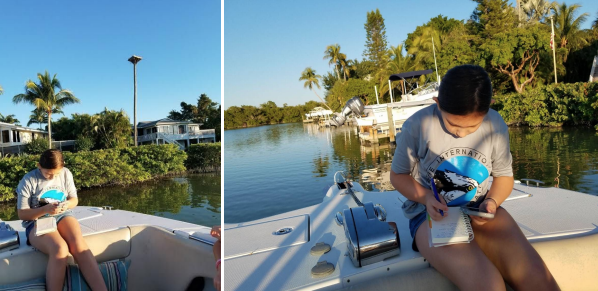
(photo by Dan Billheimer) THE INTERNATIONAL OSPREY FOUNDATION April 4, 2020 by Kathryn Brintnall, Board Member, The International Osprey Foundation “Notebook and pen, check.” “Water, check” “Smart-phone with map app, check” “TIOF uniform T-shirt, check.” “Put more air in my bike tire, check.” “I’m ready,” called The International Osprey Foundation’s youngest volunteer to her dad as she prepared to help TIOF map all of the osprey nests on Sanibel and Captiva using GPS coordinates. Aika Billheimer is a sixth grader at The Sanibel School. Part of her social studies class requirement was a community service project. TIOF discovered this after a chance encounter with herat the Lighthouse Cafe. She needed a project, and TIOF needed help mapping osprey nests that were not yet located using GPS technology. It was a perfect fit. TIOF board members Kathryn Brintnall and Jim Schnell met with Aika and her dad in November 2019 to discuss the requirements and timeline. Both parties were enthusiastic and the project was underway. Over the next six weeks, Aika and her dad traveled by boat and bike all over Sanibel and even up as far as Captiva and North Captiva. Taking careful notes, noting nest locations using GPS, and observing osprey nesting patterns. Aika logged over 15 hours for her service project. TIOF will enter her data into the Osprey Watch global database, used by Conservation and regulatory agencies such as Florida Fish and Wildlife to track population trends and inform environmental policy. Aika also noted that although she catalogued 32 nests, there were not many osprey attending those nests in December. Her observations were more evidence Sanibel has two different populations of osprey, those that live in Florida year round, and those that migrate to South America, arriving back in Southwest Florida in the December through January timeframe. Aika said she really loved her project because she got to be “out in nature and learn .about ospreys.” She notices them all the time now as she is out and about “on island.” Her favorite times were on her bike and her uncle’s boat checking out nests all over the islands. Aika also had some input for her peers who are more into sports or talking on their phones. “They could also get out into nature, and see how beautiful it is. It would be nice if we had an after-school nature Ccub, too,” she added. “Kids might enjoy taking a tour of some of the nests when there are birds there.” Brintnall expressed her appreciation of Aika’s work to Charles (Chuck) Villardi, principal of The Sanibel School. She informed him that Aika made a significant contribution to TIOF. Brintnall also remarked on how important it is that young people engage in meaningful projects that allow them to contribute to real environmental solutions and research at a young age. The collaboration between The Sanibel School and TIOF was just such an opportunity. Villardi indicated that Aika’s service project was a perfect example of what made him so proud of “his kids,” and their involvement in the community. TIOF President Susan Tucker said at a recent board meeting, “ We are hoping that a lot more young people will join with TIOF in its mission.” The International Osprey Foundation’s mission is to preserve, educate the public, and research the lives of ospreys worldwide. Learn more at www.ospreys.com.
Florida Fish and Wildlife Conservation Commission published an action plan in 2018 which sets out clearly what actions are needed to preserve the Non migratory Osprey in Monroe County. Their Executive summary in that action plan states: 'While actions in this plan focus on the specific threats and needs of non-migratory Ospreys in Monroe and surrounding counties, they can be implemented in other areas of the state where Ospreys occur and potentially benefit individuals in those areas as well' The International Osprey Foundation team are keen to use this action plan as a key to helping inform us and to guide our actions and the support we provide to protect and preserve Ospreys worldwide, and encourage working with like minded agencies and groups to achieve our goals. Click Here to Download the Plan
Please note that all wild birds, including raptors are protected under state and federal laws, it is illegal to harm, harass or possess any wild bird. You are allowed to rescue a wild bird but you must get it to a permitted facility as soon as possible. The quicker the bird is in qualified care the better its chances are for release. Raptors can be very dangerous, even sick, injured and/or young birds. They have very sharp talons and beaks! BE CAREFUL! Please note the location where the bird was found, this information will be necessary in order to return the bird to its home once it has recovered For baby raptors, please note the exact location it was found, mark the spot if possible. Look up into the trees to see if the nest and/or adults are there. Every attempt should be made to reunite families. Get a box that is slightly larger than the bird. Poke lots of air holes into the sides. Place the box over the bird. Carefully slide something flat under the box in order to contain the bird. If you do not have a box, throw a towel or blanket over the bird. BEWARE of their talons and beaks! Do not attempt to give the bird food or water. Transport it to a wildlife rehabilitator right away in a dark, warm (room temperature) container with breathing holes in it.
Protection of ospreys is one of the cornerstones of TIOF’s mission. If you see any activity that threatens ospreys, please don’t hesitate to contact the authorities or local wildlife rehabilitation center. In Southwest Florida: Call SCCF’s Osprey Hotline at 919-8OSPREY (919-867-7739) City of Sanibel - Natural Resources Department Call: 239-472-3700 Florida Fish Wildlife Alert Reward Program Call: 888-404-FWCC CROW Clinic for the Rehabilitation of Wildlife Call: 239-472-3644 In your location: Animal Help Now - Emergency Resource ahnow.org Call the Department of Fish and Wildlife in your home state
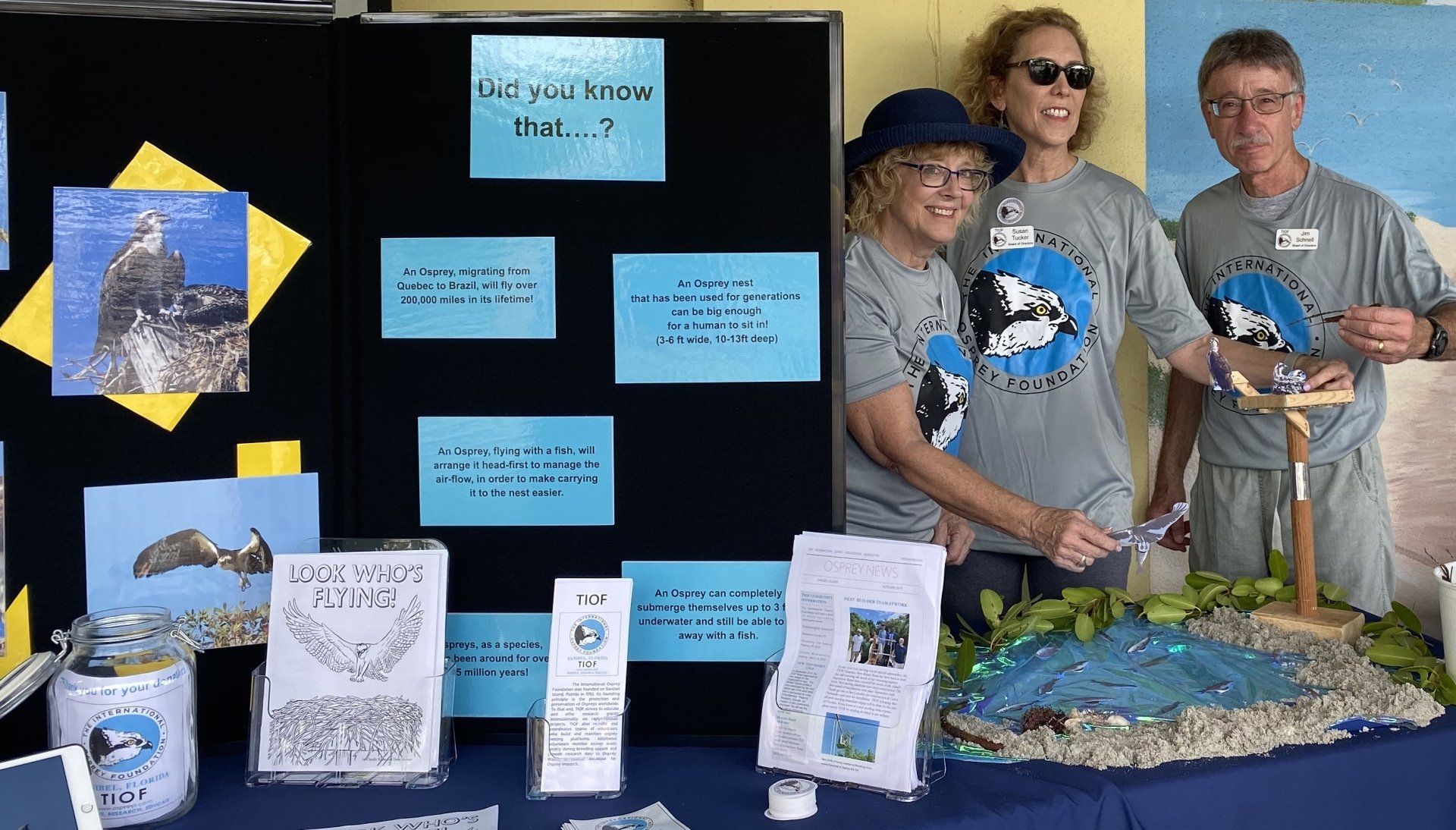
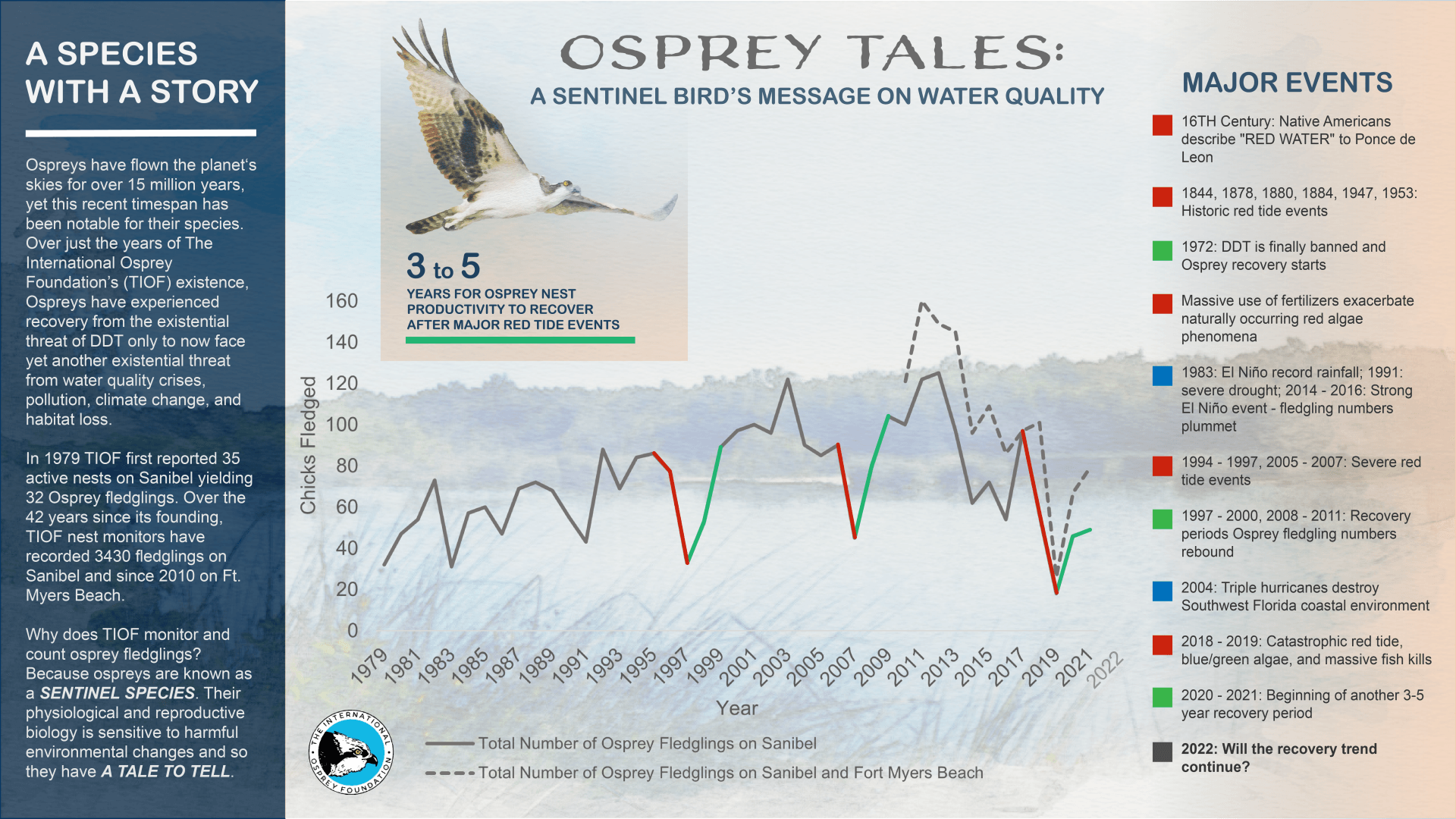
Nest Monitors Rock !!! Happy 30th Birthday!! Those were two of the slides in The International Osprey Foundation’s Kick-off Meeting presentation this January. All volunteers involved in monitoring the osprey nests on Sanibel, Captiva and Fort Myers Beach were invited. This was the Board’s first attempt in many years to gather together all the citizen scientists that help the Foundation gather nesting data locally. And as it turned out, it was almost thirty years to the day that the first intrepid volunteers began gathering data for the Foundation. It was early on a Saturday morning, January 13, 1990 to be exact, that a small group of eager osprey enthusiasts gathered for the first ever TIOF Nest Monitor training program. During the training, the observers were instructed in the behaviors that they would be observing during the osprey breeding season. Exact physical descriptions of gender differences, as well as how to tell adults from juvenile ospreys, were included. All volunteers received a glossary of this information to keep. Significant milestones in the development of the youngsters after mating and incubation, as well as a nesting sequential timeline, were also included. What followed the training of this little group has been going on now for thirty years, and the program just keeps on growing. (TIOF now boasts almost 50 volunteers.) It can happen on a Saturday morning after meeting for a cup of coffee together or when the tides are right in the bayou, but teams of TIOF volunteers armed with binoculars, cameras and clipboards continue the work of their predecessors. Bi-weekly visits to hundreds of nests take place for the duration of the osprey breeding season, which usually extends from December through the end of May. By bicycle, car and kayak, the location, nest type/condition and, of course, the behavior of the birds, is carefully documented. Summaries of the nest data have been submitted to the Foundation each spring, and published in our newsletter every year. This year, in addition to these practices, TIOF has joined an international database called Osprey Watch . The data collected from now on will be added to this database which provides important information to The Florida Fish and Wildlife Commission and their counterpoints abroad for consideration when making policy decisions. Our data can also be a big help when CROW needs to re-nest a chick into a foster nest. While the 2020 season turned out to be more challenging than most, due to Covid-19, the TIOF nest monitors were still able to keep an eye on our favorite raptor’s “goings on.” Seeing all those baby chicks...new life among so much sadness due to the pandemic, was good for the soul,” remarked one nest monitor. And on that we can all agree.
Annual Newsletters
Below are links to our annual Newsletters published April / May each year.